
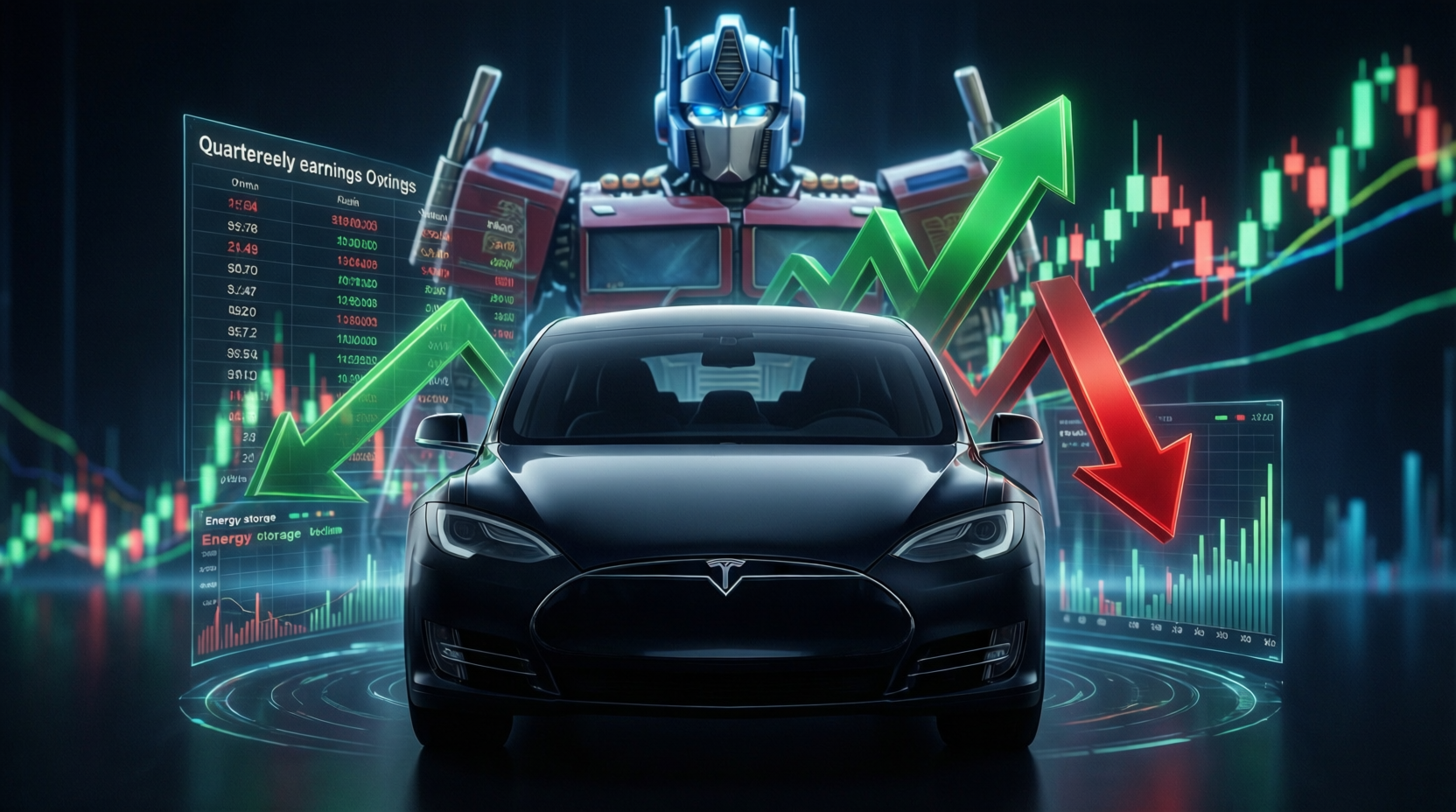

Tesla Q1 2026 Earnings: Profitable But Margin Pressures Mount
Tesla reported its first quarter 2026 financial results on April 24, 2026, posting $477 million in net income on $22.4 billion in total revenue — a 16% increase year-over-year that demonstrates continued top-line growth but also highlights the structural challenges facing an company whose valuation remains disconnected from its automotive fundamentals.
The numbers tell a story of a company in transition: profitable, growing, but under pressure on the metrics that used to define Tesla's financial identity.
The Revenue Picture
Total revenue of $22.4 billion breaks down across several segments. Automotive revenue came in at $16.2 billion, representing the core vehicle business. Services revenue — which includes Supercharger fees, used car sales, and maintenance — grew 42% year-over-year to $2.4 billion, a segment that has become an increasingly meaningful part of Tesla's financial profile as the fleet ages and more owners subscribe to Supercharger access.
The energy storage business, which had been one of Tesla's standout growth stories over the past two years, contracted. Revenue in the energy storage segment fell 12% year-over-year to $2.4 billion. That is the same dollar amount as services revenue but moving in the opposite direction. The energy storage contraction is worth watching: Tesla had been positioning its Megapack and Powerwall products as a major growth vector alongside vehicles.
The Margin Problem
Operating margins of 4.2% tell the story that revenue growth cannot fully obscure. Tesla once achieved operating margins in the mid-teens during peak periods of EV demand and pricing power. The 4.2% figure is less than a third of those historical highs.
The margin compression reflects several simultaneous pressures: increased competition in the EV market globally, continued price reductions Tesla has made to maintain volume, higher manufacturing costs, and the investment required for new products including the Optimus humanoid robot and next-generation Full Self-Driving capabilities.
Car deliveries grew approximately 6% compared to Q1 2025. Volume growth at 6% with revenue growth at 16% suggests Tesla is selling more cars and generating more revenue per car than the raw delivery numbers alone would indicate — but the margin picture shows that the revenue is not translating into profits at the rate investors have historically expected.
What Is Driving the Valuation
Tesla's market capitalization stood at $1.21 trillion at the time of reporting. To put that in context: the entire global automotive industry is worth roughly $3 trillion, and Tesla's valuation represents a significant premium over companies that sell many times more vehicles.
That premium is not being justified by automotive fundamentals. It is being justified by a narrative about the future: Optimus, the humanoid robot that Tesla has been demonstrating in prototype form; Full Self-Driving as a pathway to a robotaxi business; and energy storage as a grid-scale business that could eventually rival the automotive business in scale.
None of those narratives have converted into the kind of revenue that would justify a $1.21 trillion valuation on traditional metrics. The market is making a bet that one or more of them will — and pricing the stock accordingly.
The Competitive Landscape
Tesla faces more competition in 2026 than at any point in its history. Chinese EV manufacturers including BYD, NIO, and XPeng have expanded globally with vehicles that compete directly with Tesla's model lineup at various price points. European automakers have accelerated their EV programs. Traditional American automakers have launched competitive electric trucks and SUVs.
The competitive pressure shows up in pricing decisions: Tesla has reduced prices on several models over the past 18 months to maintain volume. Price reductions support sales but compress margins, which is why the 4.2% operating margin figure is notable as a sign of how much pricing pressure Tesla is absorbing.
The Energy Storage Contraction
The 12% year-over-year decline in Tesla's energy storage revenue is the most surprising element of the quarterly report. Tesla's Megapack business had been expanding rapidly as utilities and commercial customers sought grid-scale battery storage to pair with renewable energy installations.
The contraction could reflect project timing — large utility contracts can create lumpy revenue quarters — or it could signal that the energy storage market is becoming more competitive as other vendors enter the space. If the latter, it would mean Tesla's diversification story is facing the same competitive pressure that has affected its automotive business.
Looking Ahead
Tesla's next major catalyst is the anticipated launch of more affordable vehicle models, which the company has indicated is in development. If those vehicles can achieve volume production at a price point that expands Tesla's addressable market, the combination of higher volume and maintained pricing could support margin recovery.
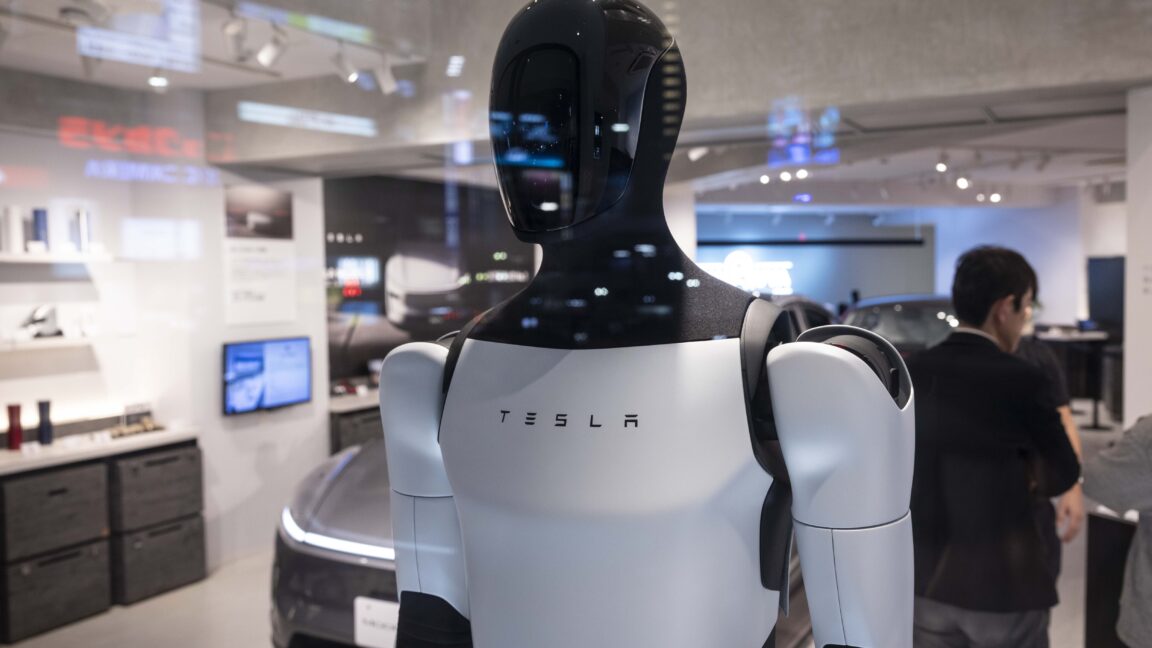
The Optimus robot remains in the prototype and early production stage. Tesla has shown demonstrations but has not provided a clear timeline for commercial availability at scale. Full Self-Driving continues to improve incrementally but has not achieved the level of reliability that would enable a driverless robotaxi service at commercial scale.
For now, Tesla remains a profitable, growing company in a challenging environment. The question for investors is whether the story about the future is more valuable than the reality of the present — and the market has clearly decided that it is.