

Procter & Gamble reported its third quarter 2026 financial results on April 24, 2026, delivering an earnings beat that demonstrated continued resilience in consumer demand even as macroeconomic headwinds and geopolitical disruptions create new cost pressures. Organic sales grew 7% year-over-year, exceeding Wall Street expectations and reinforcing P&G's role as a barometer for the broader consumer spending environment.
The beat came against a backdrop of renewed inflationary pressure. P&G management disclosed that it expects an additional $150 million in commodity costs driven by supply chain disruptions linked to the Iran conflict — a figure that underscores how geopolitical events far from consumer goods markets can translate into pricing pressure at the household level.
The Earnings Beat
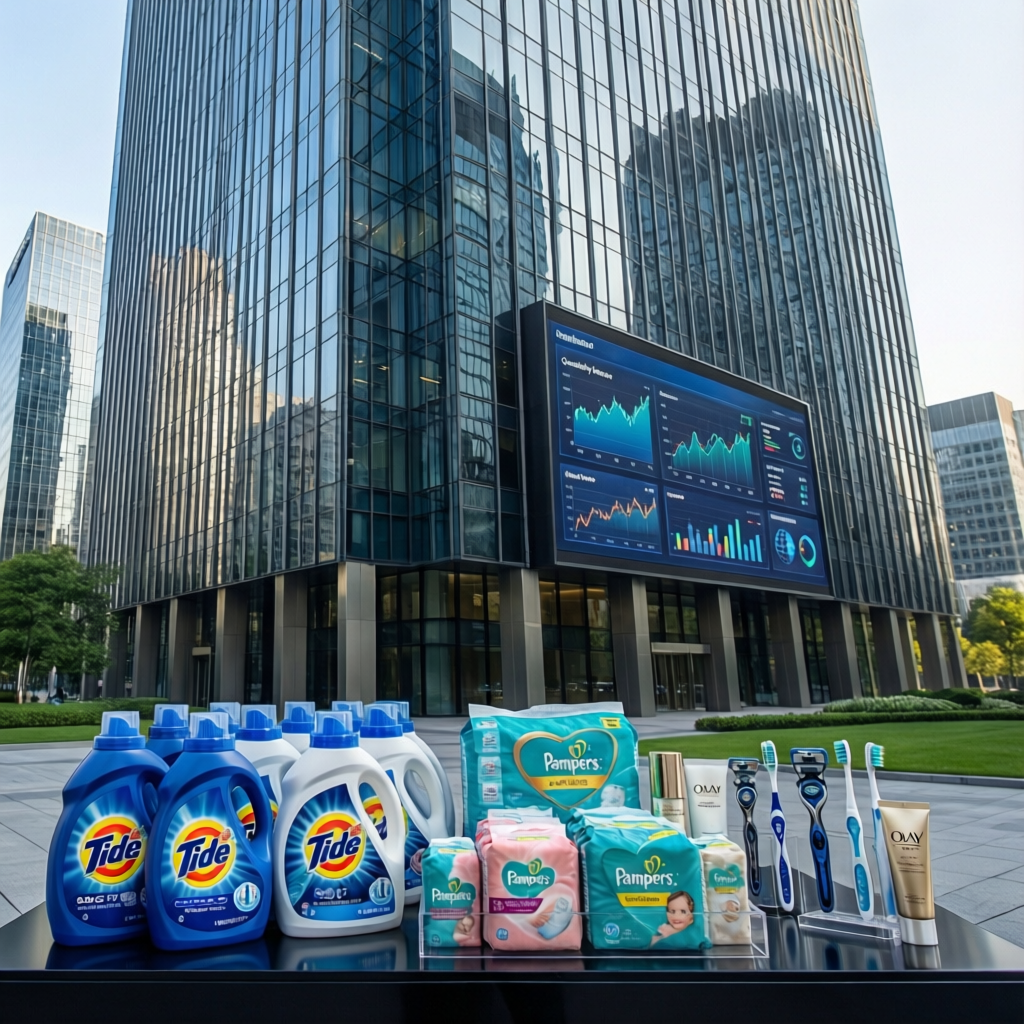
P&G's Q3 2026 results exceeded analyst expectations on both the top and bottom lines. Organic sales growth of 7% year-over-year reflects strong demand across the company's product categories, which include consumer packaged goods that people buy regardless of economic conditions: Tide laundry detergent, Pampers diapers, Gillette razors, and Pantene shampoo among them.
The 7% organic growth figure is particularly notable because it comes against a challenging comparison period and in an environment where many consumer goods companies have been reporting volume declines even when dollar sales held up. P&G appears to be succeeding at both maintaining volume and implementing pricing increases that stick — a combination that suggests genuine pricing power rather than volume sacrifice.
The Iran Conflict Cost Impact
The $150 million in projected additional commodity costs represents a meaningful headwind that P&G expects to face in coming quarters. The Iran conflict has disrupted supply chains for raw materials and intermediate goods that flow through Middle East trade routes, creating input cost inflation that consumer goods manufacturers are absorbing at different points in their supply chains depending on their inventory positions.
P&G's supply chain is global and complex. The company sources materials from dozens of countries and manufactures products in facilities around the world. The conflict-related disruptions affect not just the cost of raw materials themselves but also shipping, logistics, and the reliability of supplier networks that have only recently stabilized after the pandemic-era disruptions.
For P&G, the $150 million figure is a warning sign for margins even if the topline beat is encouraging. The company has historically been able to offset commodity cost increases with pricing and efficiency improvements. The question is whether the current environment — with commodity costs rising and competitive pressure limiting pricing options — creates a margin squeeze that forces difficult choices.
What P&G's Results Say About Consumer Health
P&G is one of the most-watched companies in the consumer goods sector precisely because its product portfolio spans the full spectrum of household spending. When P&G reports strong demand, it suggests that consumers are still spending on everyday necessities even as they pull back on discretionary purchases. That pattern — resilient essentials spending alongside weakening discretionary demand — has been the defining feature of consumer behavior for the past two years.
The 7% organic growth is consistent with that pattern. P&G's products are not things people can easily substitute or skimp on. You need laundry detergent. You need diapers. You need soap. When these purchases hold up in an uncertain economy, it tells you that at least the base of consumer spending remains stable.
The question for the broader economy is whether that base can hold even as the Iran conflict and other geopolitical disruptions drive commodity costs higher. If input cost inflation begins to show up in retail prices for consumer goods, it would represent a second wave of the inflation that consumers had hoped was behind them.
Pricing Power in Focus
P&G has successfully implemented multiple rounds of price increases over the past three years. Each round has been met with some consumer pushback and some volume loss, but the net effect has been positive for revenue. The company's ability to continue this pattern depends on whether competitors follow suit and whether consumers have sufficient confidence in their financial situations to absorb further price increases.
The Iran-linked commodity cost pressure gives P&G a reason to implement another round of pricing. Whether it chooses to do so — and whether it can do so without triggering meaningful volume losses — will be a key question for the next several quarters.
For now, the Q3 beat is a positive data point for consumer health and for P&G specifically. The $150 million headwind is a reminder that the external environment remains volatile and that the inflation story is not fully resolved.