

Apple’s Next Wearable Bet
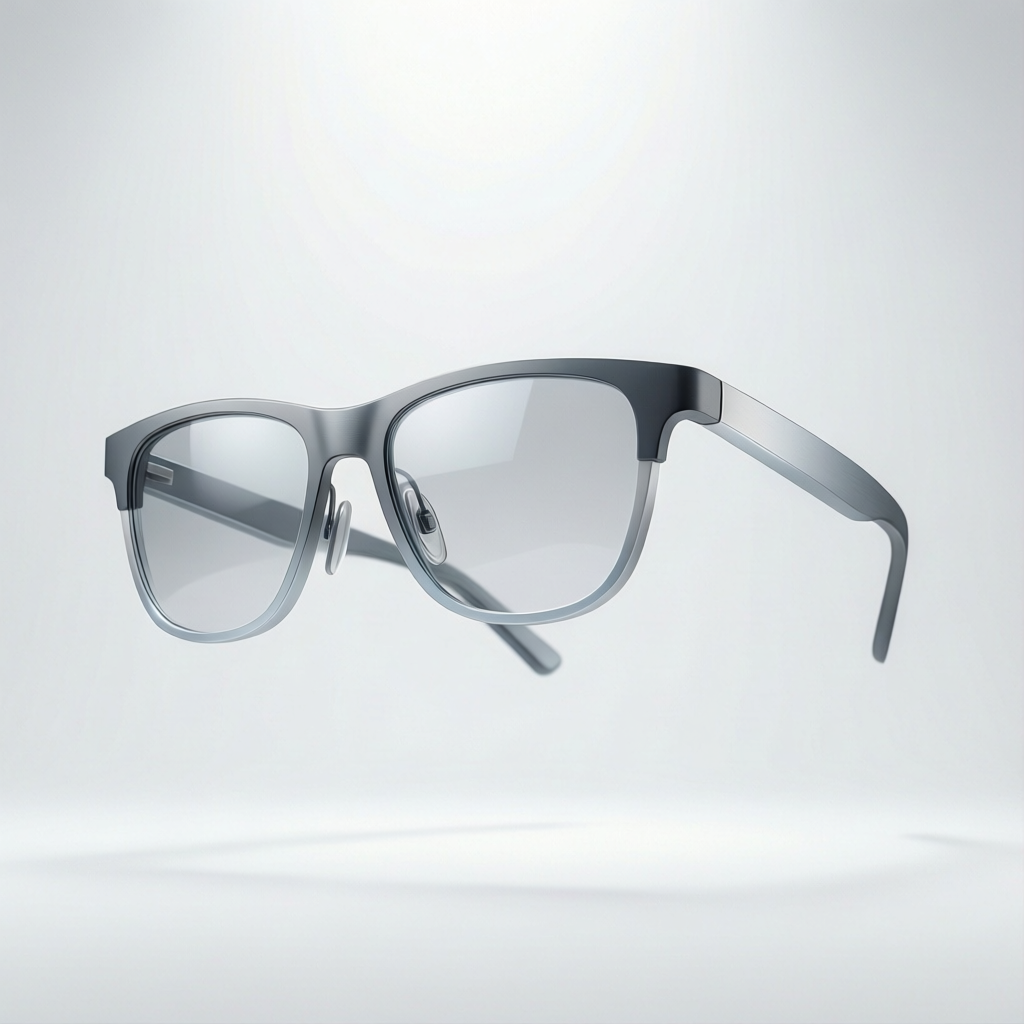
Apple is developing AI-powered smart glasses, according to multiple people familiar with the project. The work is happening at Apple’s Cupertino design studios and would mark a sharp pivot from the Vision Pro headset launched in early 2024.
The Vision Pro was a technological showcase at $3,499, but its weight, price, and limited use cases kept it from going mainstream. Smart glasses would go in the opposite direction — designed to look like normal eyewear with AI capabilities baked in. Meta already proved there’s demand with its Ray-Ban Meta smart glasses, which have sold well since launch.
A Product Designed for Mass Adoption
Where the Vision Pro targeted a premium niche, the smart glasses project is about everyday utility. Sources point to a $499 to $799 price range — accessible to Apple’s existing customer base.
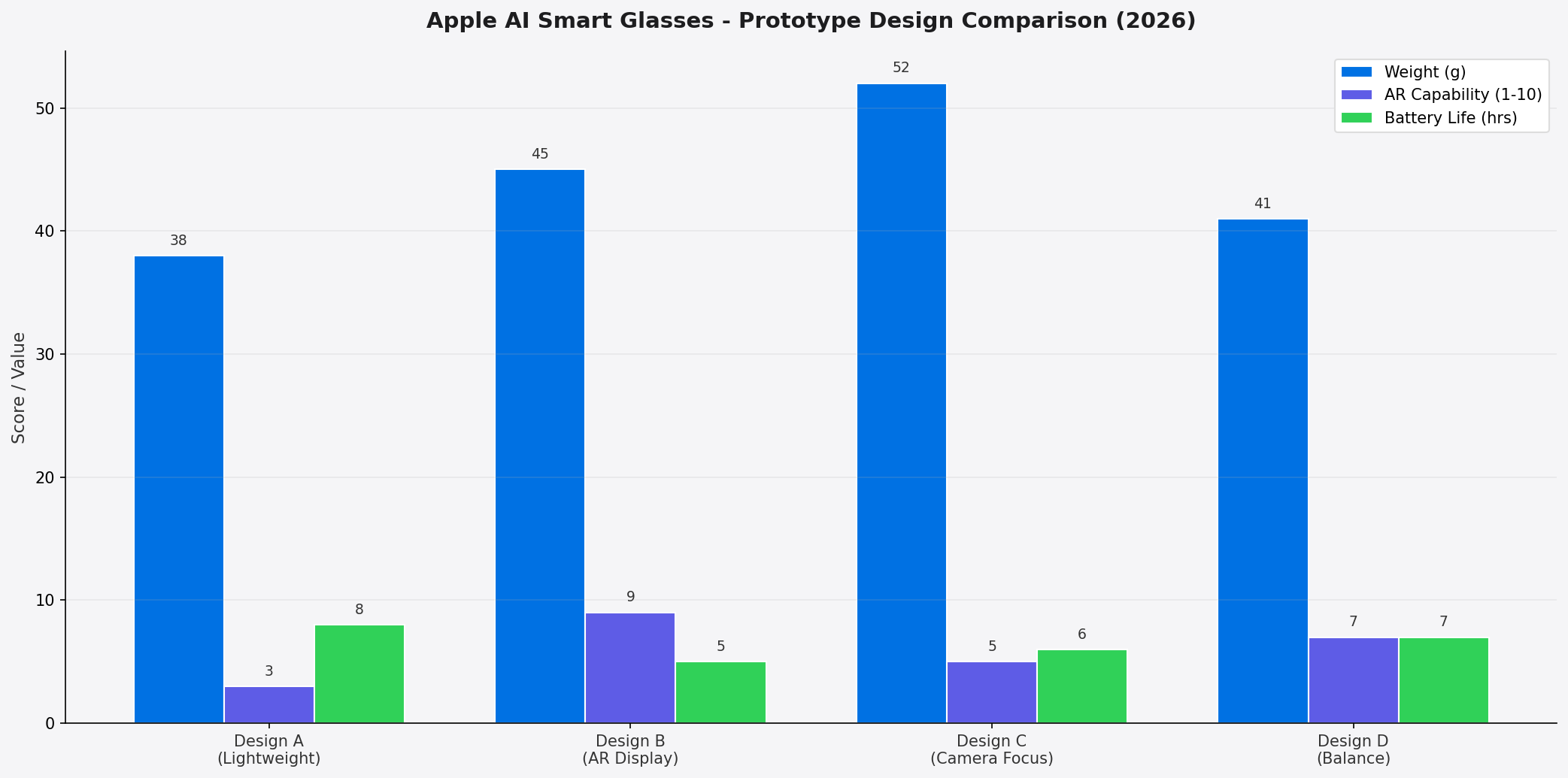
The design is built around three priorities: a lightweight form factor that looks like regular glasses, AI functionality powered by Apple’s on-device processing, and tight integration with iPhone, Apple Watch, and AirPods.
Apple’s edge here is real. The company designs its own silicon, which means it can build chips optimized specifically for the power and thermal constraints of a glasses frame. The M-series and A-series chips already lead the industry in performance-per-watt, and a dedicated glasses processor would extend that advantage.
Expected Features and Capabilities
Apple hasn’t commented publicly on the project, but supply chain reports and analyst notes point to several likely features:
Real-Time AI Assistant: An always-on assistant powered by an enhanced version of Apple Intelligence. Voice interaction with contextual information — navigation cues, real-time translation, object recognition, and reminders tied to what’s in front of you.
Health and Wellness Monitoring: Building on Apple’s health tech, the glasses could track heart rate variability, stress levels, and possibly flag early signs of certain health conditions. Everything would feed into Apple Health for a unified dashboard.
Augmented Reality Overlays: Not Vision Pro-level immersion, but a lightweight AR display for notifications, messages, and basic visual info. Think of it as augmenting daily life rather than replacing your screen.
Camera and Computer Vision: A discreet camera system for visual search, document scanning, and real-time object recognition. Privacy would be baked in — indicator light, on-device processing — consistent with Apple’s positioning.
Competitive Landscape
The smart glasses market isn’t empty anymore. Meta’s Ray-Ban Meta glasses, developed with EssilorLuxottica, have sold over two million units and earned praise for looking and functioning like regular Ray-Bans — camera, speakers, microphone, and Meta AI integration included.
Google has re-entered the space with its own smart glasses push, and Samsung has hinted at wearable computing plans alongside Google and Qualcomm. But Apple’s entry would carry the most weight. The company has a track record of taking niche categories and making them mainstream — smartphones, smartwatches, wireless earbuds all followed that arc.
“Apple has a unique ability to take a category that has been niche and make it mainstream,” said Sarah Chen, principal analyst at TechInsights. “Smart glasses could be next. The question is whether the technology is ready for the standards Apple demands.”
Timeline and Development Challenges
The smart glasses could land in late 2027 or early 2028, though Apple’s timelines shift. The hard problems are battery life, thermal management, and display technology. Packing a capable processor, battery, and display into a frame under 50 grams that lasts a full day is an engineering challenge that has beaten every company that’s tried it.
Apple’s custom silicon might give it an edge here — designing chips for the exact power envelope of a glasses form factor. The company has also been investing in micro-LED display technology, which is brighter and more power-efficient than OLED.
Strategic Implications for Apple
The glasses project is a bet on the future of human-computer interaction. Apple has long envisioned computing that’s ambient, contextual, and invisible — smart glasses are the most plausible path to that vision.
For Apple’s services business, the glasses open a new distribution channel for Apple Music, Apple Fitness+, Apple Maps, and the App Store. AI features could drive Apple One subscriptions, creating a recurring revenue stream alongside hardware sales.
There’s also the iPhone question. If smart glasses start taking over functions that currently require a phone, Apple faces the same dilemma the iPhone posed to the Mac: how do you keep an established product line relevant when a new form factor replaces some of its jobs?
What This Means for the Industry
Apple entering smart glasses would validate the category in a way nobody else can. It would accelerate investment in display tech, batteries, and AI processing across the industry and intensify the competition with Meta.
The broader wearable computing market sits at roughly $45 billion today. Counterpoint Research projects the smart glasses segment alone could hit $25 billion in annual revenue by 2030 if adoption takes off.
The project is still in development, and Apple has a history of canceling or reshaping products before launch. But the signals from the company, the market, and the technology all point in one direction: AI-powered smart glasses are coming, and Apple plans to be at the center of it.
References
- https://www.bloomberg.com/news/technology/apple-smart-glasses
- https://www.theverge.com/apple/wearables
- https://www.reuters.com/technology/apple-smart-glasses-development
- https://www.counterpointresearch.com/smart-glasses-market-forecast
- https://9to5mac.com/apple-smart-glasses-rumors
- https://www.meta.com/ray-ban-stories