


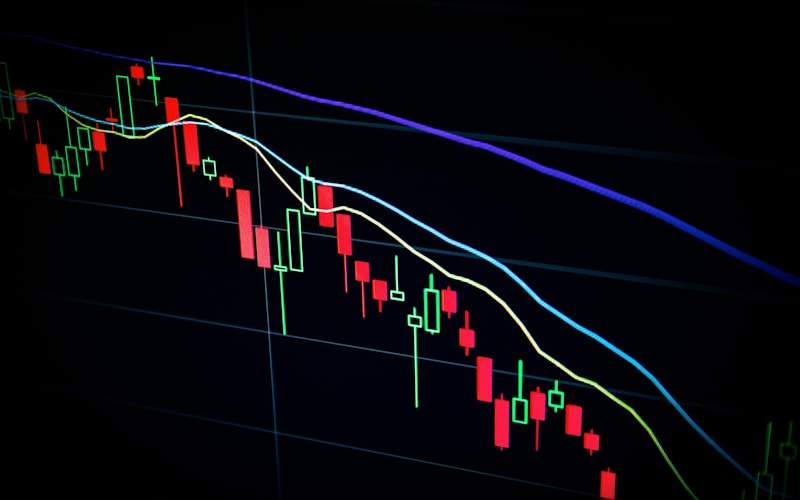
Semiconductor stocks have surged for 18 consecutive trading days, setting a new record for the longest winning streak in the sector’s history and underscoring Wall Street’s conviction that the artificial intelligence revolution is driving an unprecedented demand cycle for advanced chips.
The rally has swept across the entire semiconductor ecosystem, lifting not only the well-known beneficiaries of AI infrastructure spending such as Nvidia, AMD, Broadcom, and Taiwan Semiconductor Manufacturing Company (TSMC), but also companies involved in semiconductor equipment, materials, and packaging. The Philadelphia Semiconductor Index (SOX) has climbed more than 22 percent during the streak, adding hundreds of billions of dollars in market capitalization.
What’s Driving the Rally
The thesis behind the rally is straightforward: AI isn’t a passing trend but a technological shift driving sustained demand for advanced semiconductors. Unlike previous tech cycles with their boom-and-bust rhythms, investors are treating AI infrastructure spending as a multi-year supercycle backed by real economic returns.
The numbers back it up. Hyperscale cloud providers — Amazon Web Services, Microsoft Azure, Google Cloud, and Meta — have collectively announced over $300 billion in capital expenditure for 2026. Most of that money is going to AI infrastructure: GPU clusters, custom accelerators, and the data centers that house them.
Enterprise AI adoption is spreading well beyond tech companies. Financial services firms are using it for risk modeling and fraud detection. Healthcare organizations are applying it to drug discovery and diagnostic imaging. Manufacturers are integrating AI for predictive maintenance and quality control. Each of these applications needs serious computational power, and most of that runs on advanced semiconductors.
Key Beneficiaries and Their Performance
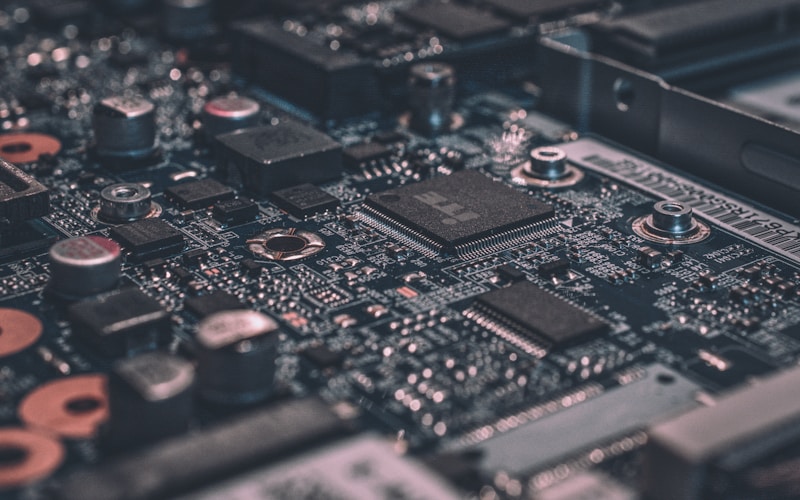
Nvidia has been the most visible beneficiary of the AI chip boom. The company’s data center revenue, driven primarily by its H100 and H200 GPU accelerators and the next-generation Blackwell architecture, has grown at a compound annual rate exceeding 100 percent over the past three years. During the current rally, Nvidia’s stock has gained approximately 28 percent, adding over $700 billion in market value.
AMD has also seen significant gains, with its MI300X and next-generation MI400 AI accelerators gaining market share as enterprises seek alternatives to Nvidia’s dominant position. AMD’s stock has risen approximately 19 percent during the rally period, supported by strong data center revenue growth and expanding partnerships with major cloud providers.
Broadcom has emerged as a key player in custom AI chip design, providing application-specific integrated circuits (ASICs) for companies like Google and Meta that want to build AI accelerators optimized for their specific workloads. The company’s stock has gained approximately 21 percent during the streak.
TSMC, the world’s largest contract chip manufacturer and the sole producer of the most advanced AI chips, has seen its stock rise approximately 17 percent. The company’s capacity is essentially sold out through 2027, with AI chip orders accounting for an increasing share of its advanced-node production.
Comparison to Previous Cycles
Previous semiconductor cycles followed familiar inventory-driven boom-and-bust patterns. The 2021-2022 chip shortage gave way to a sharp correction in 2023 as inventory normalized. The 2000 dot-com bubble produced an even more brutal crash.
The current cycle looks different. AI infrastructure spending isn’t driven by short-term product cycles or inventory stocking — it’s funded by long-term strategic investments in computational capability. The returns on AI investment, measured in productivity gains and revenue generation, justify continued spending even as chip prices stay elevated.
“We’re not seeing the typical signs of a speculative bubble,” said Michael Torres, senior semiconductor analyst at Bernstein Research. “The demand is real, the applications are generating returns, and the supply side is responding with meaningful capacity expansion. That said, the pace of the current rally has compressed valuations to levels that leave little room for disappointment.”
Risks and Concerns
Despite the bullish sentiment, several risks could derail the rally or trigger a significant correction.
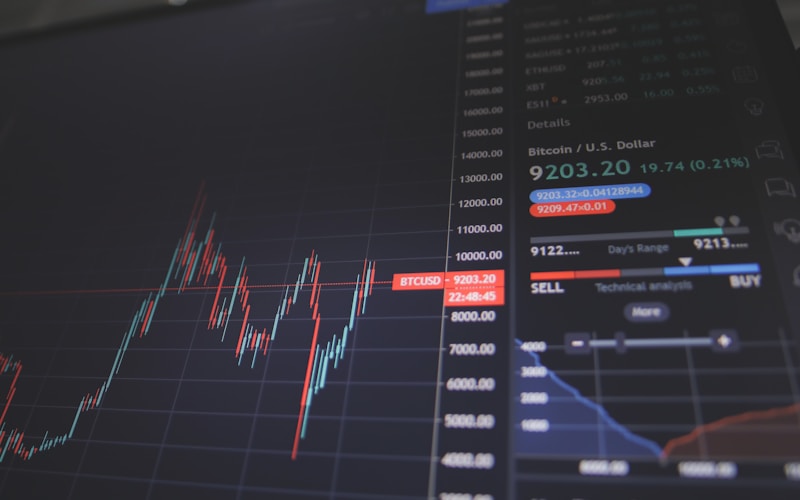
Valuation Concerns: The semiconductor sector’s aggregate price-to-earnings ratio has reached levels not seen since the dot-com peak. Many companies can justify premium valuations based on growth, but any slowdown in revenue could trigger a sharp repricing.
Supply Chain Constraints: Advanced semiconductor production remains heavily concentrated in East Asia. TSMC, Samsung, and SK Hynix dominate critical steps in the supply chain. Geopolitical tensions between the US and China, plus the ever-present risk of natural disasters in Taiwan, keep supply chain vulnerabilities front and center.
Geopolitical Risks: US export controls on advanced AI chips to China are a growing headwind for companies like Nvidia and AMD, which have historically pulled significant revenue from the Chinese market. China’s push to develop domestic alternatives could shrink that revenue stream over time.
Capital Expenditure Cyclicality: AI infrastructure spending looks strong for 2026, but there’s no guarantee hyperscalers will keep investing at this pace forever. If AI applications fall short of commercial expectations, capital expenditure could be cut, and chip demand would drop sharply.
Energy and Infrastructure Constraints: The rapid buildout of AI data centers is already straining electrical grids in key markets. Power, cooling, and real estate availability could become genuine bottlenecks.
Analyst Predictions
Wall Street is split on whether the rally can sustain itself. Bulls argue the AI infrastructure buildout is still early and semiconductor demand will stay strong for at least three to five more years. Bears counter that the rally has priced in perpetual growth and a correction is overdue.
The consensus, reflected in average price targets from major investment banks, suggests semiconductor stocks have more room to run near term but returns will moderate over the next 12 to 18 months. Most analysts recommend staying in the sector but being selective about individual positions.
“The question is not whether AI will transform the semiconductor industry — that is already happening,” said Jennifer Park, technology strategist at Goldman Sachs. “The question is how much of that transformation is already reflected in current stock prices. Our view is that there is still upside, but investors should be prepared for increased volatility.”
The Road Ahead
An 18-day winning streak is impressive, but financial markets run on sentiment as much as fundamentals. The semiconductor industry has a long history of dramatic cycles, and the AI-driven demand thesis — compelling as it is — doesn’t immunize the sector from overvaluation, competition, or geopolitical disruption.
For investors, the semiconductor industry is clearly undergoing a structural transformation that will create enormous opportunities for companies at the forefront of AI chip design and manufacturing. The pace of this rally, though, suggests much of the near-term optimism is already baked into prices.
For the broader economy, the rally is both a symptom and a driver of the AI revolution. As chips get more powerful and cheaper, the range of AI applications will keep expanding. The real question is how to harness that transformation in a way that survives the shocks that always accompany rapid technological change.
References
- Bloomberg, “Semiconductor Index Posts Record 18-Day Winning Streak,” April 2026
- S&P Global Market Intelligence, “AI Chip Demand Forecast 2026-2030”
- Bernstein Research, “The AI Semiconductor Supercycle: Real or Hype?” April 2026
- Goldman Sachs Technology Research, “Semiconductor Valuation and the AI Premium,” March 2026
- McKinsey & Company, “The Semiconductor Decade: A Trillion-Dollar Industry,” 2025
- Reuters, “Cloud Giants Announce Record $300B in AI Infrastructure Spending,” April 2026
- Financial Times, “Can the Semiconductor Rally Last? Analysts Weigh In,” April 2026