


Samsung Tries to Close the Fold
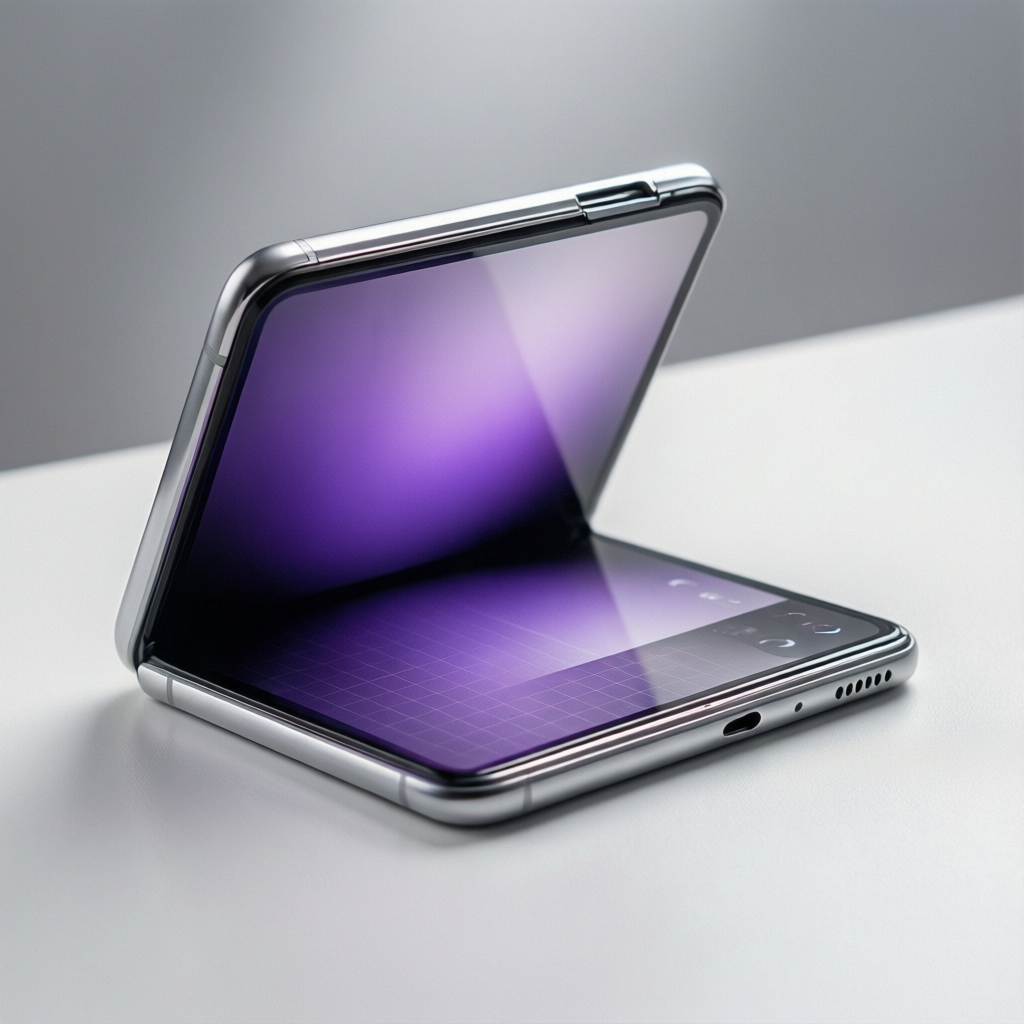
Samsung officially unveiled the Galaxy Z Fold 7, the seventh generation of its flagship foldable smartphone. This time, the engineers focused on the device’s most defining feature: the hinge.
The new “Flex Hinge Pro” mechanism is 28 percent thinner than the Z Fold 6’s hinge and eliminates the gap between the two halves when folded. That addresses one of the most persistent complaints about the Fold series: the visible crease and the pocket of air between folded screens that catches dust and debris.
The redesign also shaves weight. At 239 grams, the Z Fold 7 is about 15 grams lighter than its predecessor — not a massive change on paper, but noticeable when you’re holding it for hours. Folded thickness dropped to 11.8 millimeters, edging closer to a regular smartphone with a case on it.
Samsung also strengthened the internal display’s protective layers with a new ultra-thin glass formulation rated for 280,000 fold cycles without degradation, up from 200,000 on the previous generation. The outer cover display grew to 6.5 inches, narrowing the usability gap between folded and unfolded modes.

Cameras, Displays, and S Pen
The Z Fold 7’s camera system gets incremental but meaningful upgrades. The primary rear camera uses a 50-megapixel sensor with an f/1.7 aperture, backed by a 12-megapixel ultra-wide and a 10-megapixel telephoto with 3x optical zoom. Nothing groundbreaking for the broader smartphone market, but Samsung has improved computational photography and introduced a new night mode that handles low light better.
The internal display measures 7.8 inches with a peak brightness of 2,600 nits, making it readable in direct sunlight. The 120Hz adaptive refresh rate is maintained across both the internal and external displays. S Pen support continues, with reduced latency that Samsung claims makes handwriting and sketching feel more natural.
Under the hood, the device is powered by Qualcomm’s Snapdragon 8 Elite processor for Galaxy, paired with 12 gigabytes of RAM and storage options of 256, 512, or 1 terabyte. Battery capacity is listed at 4,500 mAh, with 45-watt wired charging and 15-watt wireless charging supported.
Samsung’s Crown Is Slipping
Samsung has led the foldable phone market since launching the original Galaxy Fold in 2019. For years, it was essentially the only company making foldables at scale.
That’s no longer the case. Google’s Pixel Fold — two iterations in since its 2023 debut — has built a loyal following among users who want Google’s camera software and a clean Android experience. OnePlus’s Open, launched in 2024, earned critical acclaim for its nearly invisible crease and competitive pricing. Huawei dominates foldables in China with its Mate X and Pocket series, leveraging domestic market advantage and supply chain independence.
IDC estimates global foldable smartphone shipments hit about 22 million units in 2025 — roughly 2 percent of total smartphone shipments. Samsung’s share of that market has dropped from over 70 percent in 2022 to about 50 percent in 2025, as Chinese competitors including Xiaomi, Oppo, Vivo, and Honor expanded their foldable lineups.
The competitive pressure shows up in Samsung’s pricing. The Z Fold 7 should launch at $1,799 for the base 256GB model, down slightly from the Z Fold 6’s $1,899 starting price. Whether that’s enough to slow the competitive tide is another question.

Will Foldables Go Mainstream?
The question hanging over the foldable category is whether it’s headed for mainstream adoption or stuck as a premium niche.
The growth numbers look solid. Foldable shipments have grown at roughly 40 percent annually over the past three years, far outpacing the broader smartphone market, which has been flat. Consumer awareness has jumped thanks to marketing from Samsung, Google, and OnePlus.
But barriers to mass adoption haven’t gone away. Price is the obvious one — even at $1,799, the Z Fold 7 costs more than double a flagship conventional smartphone. Durability concerns, while improving, still give some buyers pause. And despite incremental improvements, foldables are still heavier and thicker than traditional phones.
Counterpoint Research projects foldables will account for 4 to 5 percent of global smartphone shipments by 2027. That’s a meaningful increase, but still a sliver of the overall market. The category will keep growing, just not as fast as early enthusiasts hoped.
Market Reception
Samsung hasn’t released pre-order figures yet, but early analyst commentary suggests demand is steady rather than explosive. Samsung Electronics’ mobile division head said pre-orders are tracking roughly in line with the Z Fold 6, which itself showed a modest year-over-year increase over the Z Fold 5.
Carrier promotions and trade-in deals will drive initial sales, as they have for previous Fold generations. Samsung has announced enhanced trade-in values for older Galaxy devices, effectively shaving several hundred dollars off the Z Fold 7’s out-of-pocket cost for existing customers.
The Z Fold 7 is Samsung’s most polished foldable yet, and the refined hinge tackles the category’s most visible weakness. Whether that polish accelerates mainstream adoption or simply holds Samsung’s position in a market where the competitive gap keeps narrowing — we’ll know within two quarters.
References
- Samsung Galaxy Z Fold 7 official press release and specifications sheet
- IDC Worldwide Quarterly Mobile Phone Tracker, Q1 2026
- Counterpoint Research, “Foldable Smartphone Market Forecast 2026-2027”
- Samsung Electronics Q4 2025 earnings conference call transcript
- OnePlus Open and Google Pixel Fold product announcements and reviews
- Display Supply Chain Consultants (DSCC) foldable display market analysis