
On April 23, 2026, OpenAI released GPT-5.5 with workflow agents — its play to become the AI superapp you live inside. On the same day, Anthropic released app connectors for Claude — a different bet on a different future.
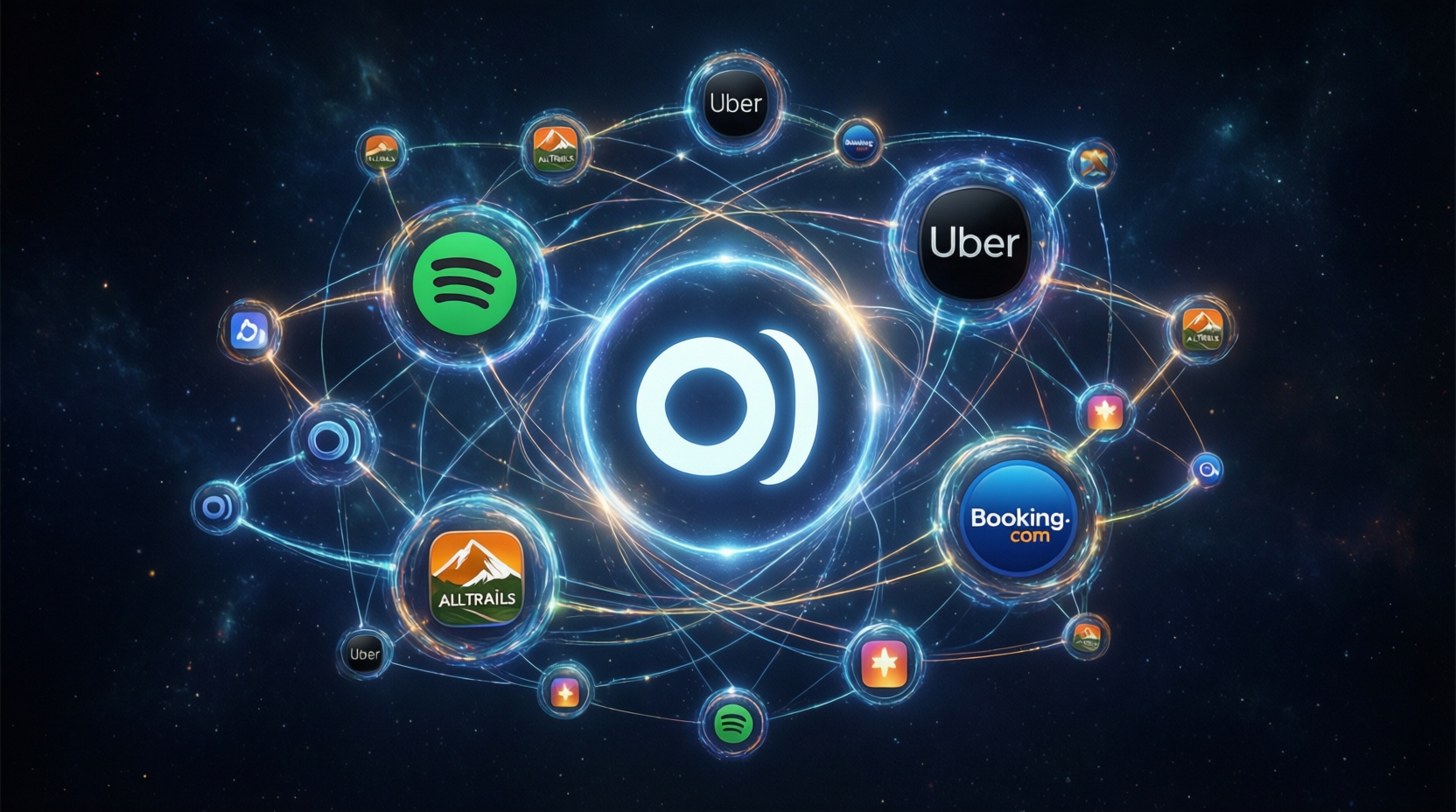
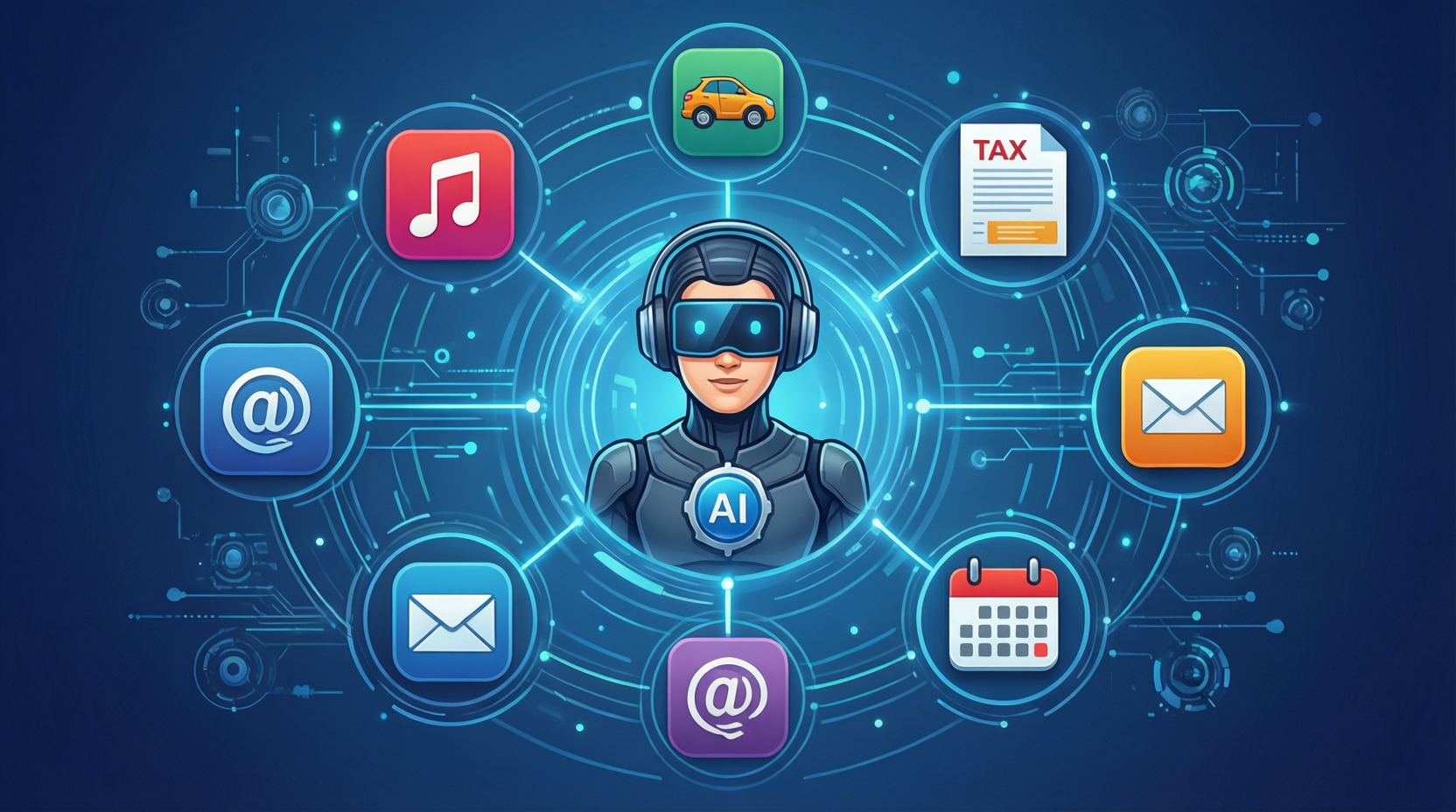
Where OpenAI is building an operating system, Anthropic is building a connector. Claude can now talk to Spotify, Uber, AllTrails, TurboTax, and dozens of other apps. The difference in strategy is not subtle: OpenAI wants you to live inside ChatGPT. Anthropic wants Claude to work with the apps you already use.
What Was Announced
Anthropic expanded its connector ecosystem to include personal consumer apps. The full list includes AllTrails, Audible, Booking.com, Instacart, Spotify, TripAdvisor, TurboTax, and Uber, among others. The connectors are available immediately on all Claude plans — including free accounts — at no additional cost.
The mechanics are straightforward: users connect an app through the customize tab in Claude's sidebar. Once connected, Claude can suggest relevant actions within that app during conversations. If you are planning a trip, Claude might suggest using Booking.com for hotels or TripAdvisor for restaurant recommendations. If you are doing your taxes, it can pull data from TurboTax.
For transactional actions — making a reservation, ordering food — Claude asks for confirmation before proceeding. This is a deliberate friction point. Anthropic is not trying to automate your life without your knowledge. It is trying to make Claude a more useful advisor that knows what is in your connected apps.
The Privacy Position
Anthropic was explicit about what it is not doing with this data. Your data from connected apps is not used to train Anthropic's models. The apps cannot see your other Claude conversations. There are no paid placements — no company can pay to have their app suggested over a competitor. You can disconnect any app at any time.
This is a deliberate contrast to what OpenAI is building with GPT-5.5's superapp strategy. When an AI platform becomes the layer you interact with everything through, the platform controls what gets suggested, what gets promoted, and what data it collects about your behavior. Anthropic's connector approach keeps the user in control of which apps connect and what data flows between them.
The Same-Day Timing
The timing was not coincidental. OpenAI announced GPT-5.5 in the morning. Anthropic announced app connectors in the afternoon. Both releases were clearly coordinated to land on the same news day.
This reflects the current state of the AI platform race. OpenAI is betting on vertical integration — own the interface, own the model, own the distribution. Anthropic is betting on integration — let the best AI model work with the best apps, wherever those apps are.
Neither strategy is obviously correct. OpenAI has distribution: ChatGPT has hundreds of millions of users who will access GPT-5.5 without choosing to switch products. Anthropic has a reputation for safety and a model that some developers prefer for its reasoning capabilities. The app connector play is an attempt to win on ecosystem rather than distribution.
What This Means for Developers
If you are building an AI-powered product, the connector approach has a specific implication: you do not need to choose between Claude and the apps your users already love. The connector ecosystem means Claude can be the reasoning layer on top of existing services.
For enterprise developers, this is particularly relevant. Anthropic already supported connectors for Microsoft apps — Outlook, Teams, and the broader Office 365 ecosystem. Adding consumer apps extends the same logic: Claude is not replacing your tools, it is making your tools smarter.
The free availability of connectors is also significant. OpenAI has increasingly moved toward premium features behind paid tiers. Anthropic is offering connectors across all plans, betting that the engagement value of being deeply integrated into users' daily workflows will be worth more than a subscription premium.
The Competition Is Structural
What is becoming clear is that the AI platform competition has become structural. OpenAI, Anthropic, Google, and to some extent Apple are all building toward different visions of how AI integrates into daily life:
OpenAI is building the superapp: ChatGPT as the operating system you live inside, with workflow agents that do work without switching context.
Anthropic is building the connector: Claude as a reasoning layer that works with your existing apps, adding intelligence without requiring you to change behavior.
Google is building the infrastructure: Gemini embedded across Android, Search, Workspace, and the broader Google ecosystem.
Apple is reportedly building on-device intelligence: AI that runs locally on Apple Silicon, deeply integrated into iOS and macOS.
None of these strategies are mutually exclusive. A user could use Claude for reasoning, ChatGPT for workflow automation, and Gemini for search. The question is which platform captures the primary relationship — which AI does the user think of as their primary tool.
What to Watch
The connector ecosystem will expand. Anthropic will add more apps. The quality of recommendations will improve as the model gets better at understanding when a connector is relevant. Over time, the connectors could become the primary way users interact with many of their apps — through a natural language interface rather than clicking through interfaces.
Watch for which apps choose to build connectors and which hold back. The apps that matter most to users will determine where the connector ecosystem has real value.
Watch also for OpenAI's response. The superapp strategy and the connector strategy are in direct competition for the same user relationship. OpenAI will need to decide whether to build its own connector layer or try to make the superapp experience compelling enough that users stop switching between apps entirely.
Anthropic made its move. The response will come.