
Bret Taylor's AI Bet: Sierra Acquires Fragment as Enterprise Agents Go Global
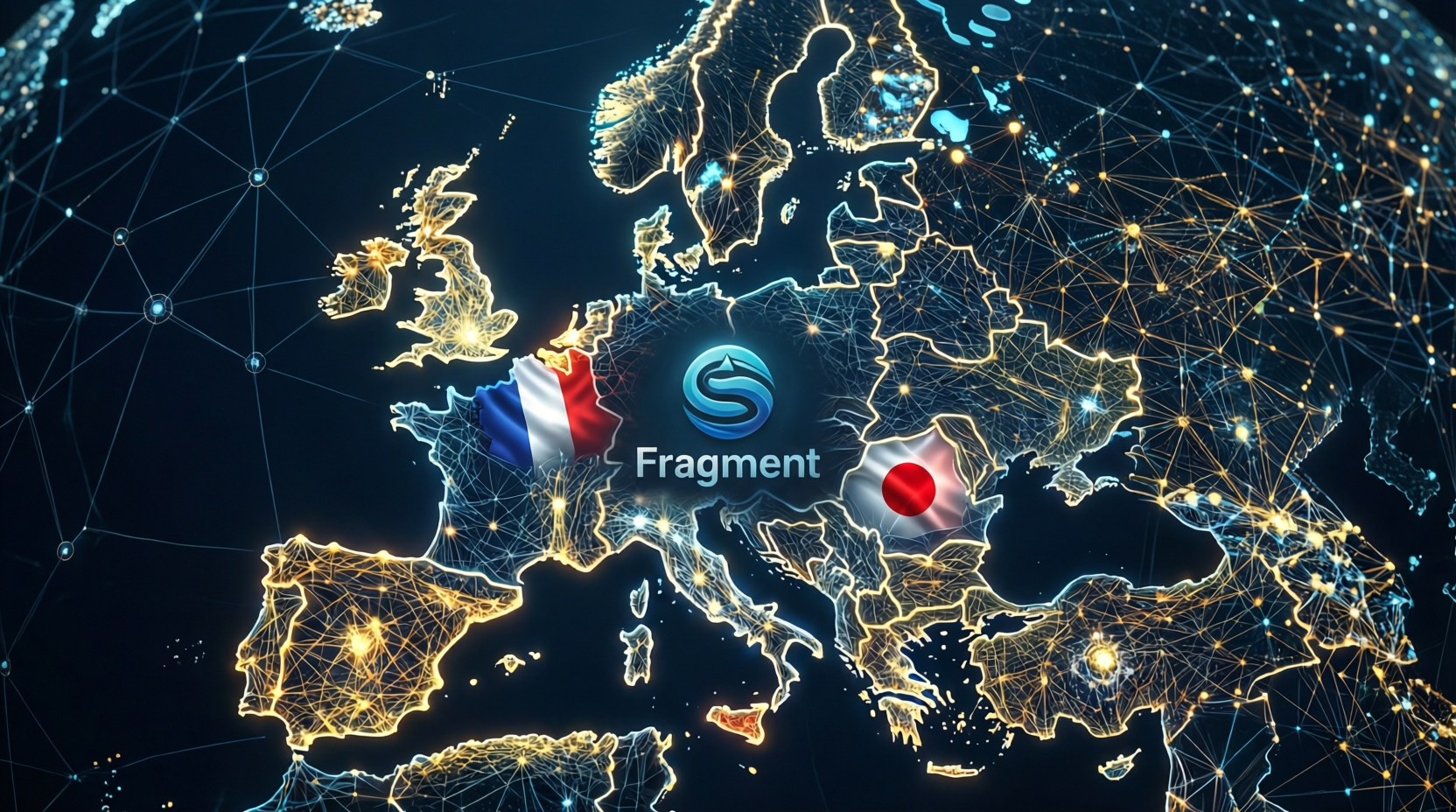
Sierra, the enterprise AI agent platform founded by Bret Taylor and Clay Bavor, announced on April 23, 2026 that it had acquired Paris-based Fragment — a Y Combinator-backed AI startup focused on helping businesses integrate AI into workflows. Terms were not disclosed. The acquisition is Sierra's third in approximately 12 months, following Receptive AI (March 2025) and Opera Tech in Japan (March 2026).
The message is clear: Sierra is not building a product. It is building a platform, and it is moving fast.
Who Sierra Is
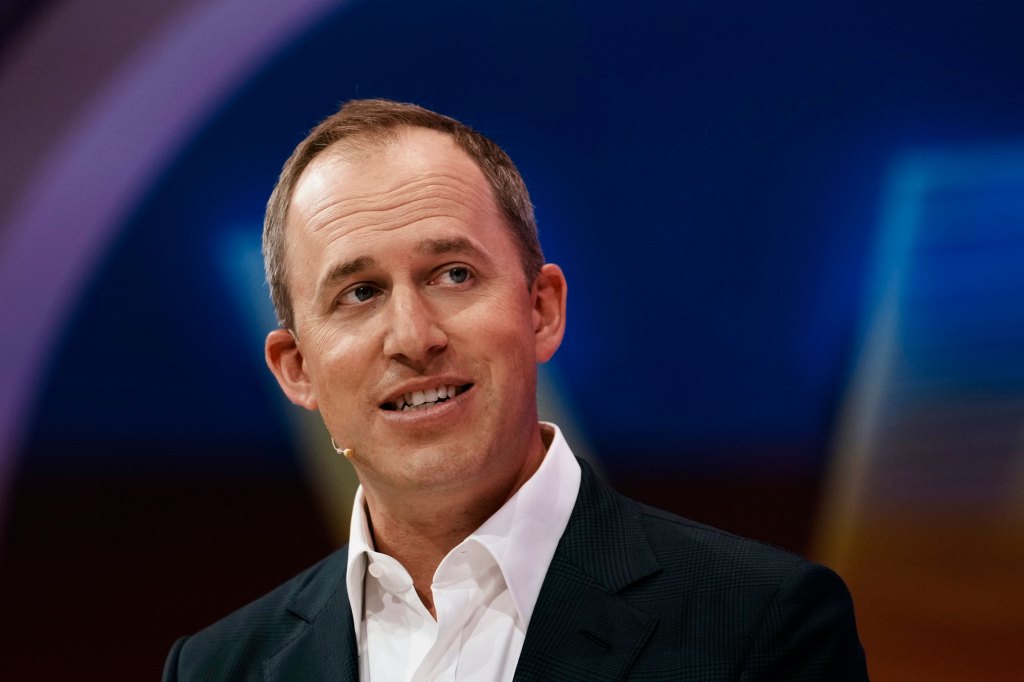
Bret Taylor is one of the more consequential product executives in Silicon Valley history. He co-created Google Maps, invented the Facebook "Like" button as CTO, founded Quip (acquired by Salesforce for $750 million in 2016), and spent 2022-2023 as co-CEO of Salesforce alongside Marc Benioff. He is currently chairman of the OpenAI board of directors — a dual role that gives Sierra unusual access to frontier AI capabilities.
Clay Bavor spent 18 years at Google, leading Gmail and Google Drive. Together with Taylor, they founded Sierra in 2023 and launched commercially in early 2024.
The company's growth has been striking: $100 million in ARR in seven quarters, then $150 million by February 2026. That pace put Sierra into rare company — the kind of growth that typically requires either an existing distribution advantage or a genuinely differentiated product. Sierra had neither in the traditional sense. It had Taylor and Bavor's reputation and a bet that enterprise customer service would be the proving ground for AI agents.
What Fragment Brings
Fragment was founded by Olivier Moindrot and Guillaume Genthial, both of whom are joining Sierra. Fragment's specialty is helping businesses integrate AI into workflows — not conversational AI specifically, but the operational integration layer that makes AI actually useful inside enterprise processes.
This is complementary to Sierra's core product. Sierra builds conversational AI agents that handle customer interactions — the chat interface, the voice calls, the resolution of customer problems. Fragment adds the ability to connect those agents to enterprise workflows in a deeper way: data retrieval, process automation, system integration.
The acquisition also gives Sierra a dedicated French founding team and local market expertise. Sierra announced its Paris expansion in December 2025, with Bavor citing inspiration from French aerospace and luxury industries. Fragment accelerates that presence.
The Acquisition Strategy
Sierra has now made three acquisitions in roughly twelve months:
March 2025: Receptive AI — a voice AI company, strengthening Sierra's voice channel capabilities.
March 2026: Opera Tech in Japan — giving Sierra a dedicated Japanese team and Asian market presence.
April 2026: Fragment in France — workflow AI integration and a French engineering team.
The pattern is consistent: acquire talent and market presence rather than technology. Sierra is not buying capabilities it could not build. It is buying teams that understand specific markets and specific integration problems, and accelerating its international expansion through acquisition.
The Enterprise AI Agent Market
Sierra competes in the enterprise AI agent space against Decagon, Intercom's AI expansion, and broader platforms including Salesforce Agentforce, Microsoft Copilot Studio, and IBM Watsonx.
What differentiates Sierra, according to Taylor, is a focus on "jobs to be done" rather than "AI tourism" — building agents that actually complete work in production, rather than impressive demos that fail in real enterprise environments.
The customer list supports this claim. Sierra's customers include 40% of Fortune 50 companies and over a quarter of companies with annual revenue over $10 billion. Cigna uses Sierra's agents to handle patient authentication — reducing authentication time by 80%. Next, the British retailer, covers 48 languages in 83 countries after going live in six weeks. Rocket Mortgage processes $1 billion in monthly loan volume through Sierra's agents.
These are not pilot projects. They are production workloads at significant scale.
Taylor's Dual Role
The most strategically interesting aspect of Sierra is Bret Taylor's position as both CEO of Sierra and chairman of the OpenAI board. This creates a natural alignment: Sierra has preferential or early access to OpenAI's frontier models, and OpenAI benefits from having its models prove themselves in demanding enterprise environments.
This is not officially confirmed as a formal arrangement, and the dynamics of board chairmanship are different from operational ownership. But the alignment of interest is obvious, and it has shaped how Sierra positions itself: not as a builder of foundation models, but as a builder of enterprise applications on top of the best available models.
What Comes Next
Sierra's international acquisitions suggest the next phase of its growth is geographic expansion. The company has established offices in London, Singapore, Tokyo, and now Paris. Each market gets a local team and local expertise.
The bigger question is whether Sierra stays independent. At $150 million ARR and growing, with the backing of Sequoia, Benchmark, Greenoaks, and others, it has the option to IPO or pursue another large acquisition. Taylor has done this before — he sold Quip to Salesforce and then spent years running Salesforce before founding Sierra.
The enterprise AI agent market is still young. The winners have not been decided. But Sierra has made its bet clear: the future of enterprise software is agents, and the way to win is distribution, integration, and trust.